
Renovation Permits in Ontario: What Needs One and What Doesn't
Learn which projects need a permit in Ontario and how to navigate local requirements in Oakville and Halton County.
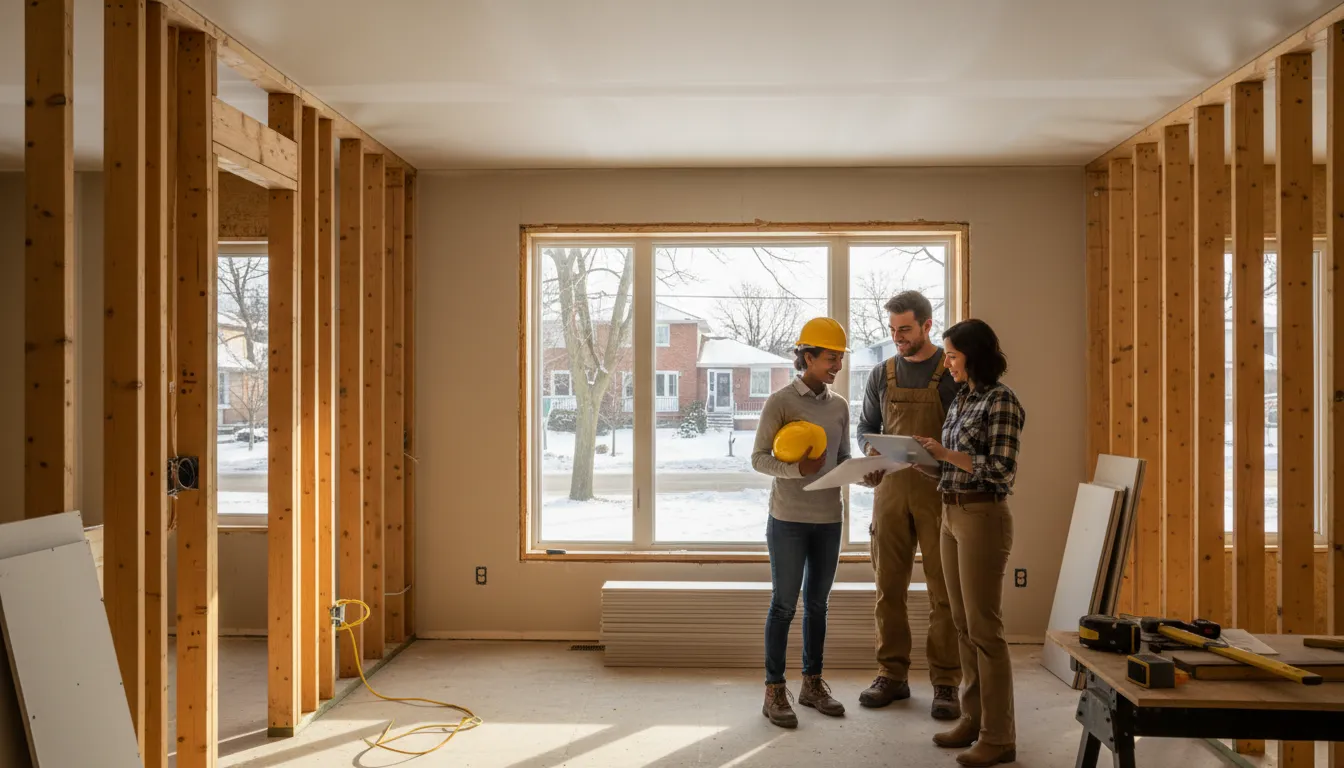
Do I need a permit for my renovation in Ontario?
Most structural changes, new building work, major electrical, plumbing, HVAC alterations and some exterior work require a permit in Ontario; minor cosmetic changes and like-for-like repairs often do not, but confirm with your local building department.
What a building permit covers
A building permit authorizes construction work that affects the structure, occupancy, fire safety, or major systems of a home. In Ontario this includes adding or removing walls, building additions, converting basements to living space, and many exterior changes. Permits also trigger inspections during the work to check compliance with the Ontario Building Code and local bylaws.
Work that commonly needs permits
Projects that change load-bearing elements, add square footage, alter exits or fire separation, or install new HVAC systems usually require a permit. Major electrical upgrades (such as panel changes or adding subpanels) and most plumbing system alterations also need approval. Local authorities in Oakville and Halton County will specify documentary requirements and inspection stages.
Typical permit exceptions
Small cosmetic jobs — painting, replacing trim, flooring or like-for-like cabinetry swaps — are generally not permitable activities. Minor kitchen updates that don’t move plumbing or change structural elements are often exempt. However, some additions like decks or fences may fall in a gray area and depend on height, proximity to property lines and zoning rules.
Step-by-Step: Renovation Permits in Ontario: What Needs One and What Doesn't
Follow these practical steps to determine whether you need a permit and to obtain one if required. Each step highlights what Oakville homeowners should expect.
- 1
1. Define the scope in detail
Write a clear description of what you want to do: dimensions, systems affected (electrical, plumbing, HVAC), and whether you’ll change walls or add square footage. Photographs and a simple sketch of the floor plan make it easier for the building department and any hired contractor to assess permit needs.
- 2
2. Check local rules early
Contact the Town of Oakville building division or check its website for checklist items, zoning setbacks and common permit triggers. Because Oakville is in Halton Region and neighbors Burlington and Mississauga, some practices mirror those nearby but rules and required forms can vary — always verify with Oakville’s office.
- 3
3. Consult a qualified tradesperson or designer
For structural, electrical or plumbing changes, ask a licensed contractor or an architect/designer to review your scope and tell you which permits and drawings you’ll need. In Oakville projects, a professional can also advise on energy efficiency requirements under the Ontario Building Code and seasonal considerations for inspections.
- 4
4. Prepare and submit permit application
Gather drawings, site plans, proof of ownership, and any required reports (e.g., structural, grading or HVAC). Submit to Oakville’s building department; expect to pay application fees and answer follow-up questions — turnaround times vary by workload and season.
- 5
5. Inspections and amendments during construction
Once you have a permit, schedule inspections at the required stages (foundations, framing, mechanical, final). If work changes mid-project, apply for revisions or additional permits — unpermitted changes can lead to stop-work orders or orders to undo work.
- 6
6. Final occupancy and record keeping
After final inspection you’ll receive a completion sign-off, which is important for resale and insurance. Keep copies of permits, plans and inspection reports in your home file — potential buyers, insurers and future contractors will want to see them.
Mistakes to Avoid
Skipping the permit process or making assumptions about what’s allowed are common, costly errors. Below are frequent mistakes Oakville homeowners make and practical tips to avoid them.
Assuming small scale means no permit
Even small projects can trigger permit requirements if they affect structural supports, egress, or major systems. Before starting, check with Oakville’s building division — a quick phone call can save time and fines later. If work is found to be unpermitted during a sale, you may need to correct it or obtain retroactive approval.
Hiring workers without licences/permits experience
Using an unlicensed tradesperson may seem cheaper but can create problems when permits or inspections are required. Ask contractors for proof of licensure, references, and examples of past permit-handled projects in Oakville or nearby Burlington and Mississauga. Licensed trades also often prepare the permit paperwork or work with designers to ensure compliance.
Not planning for seasonal timing
Inspection availability and construction timelines shift with seasons in the America/Toronto timezone — winters can slow exterior work and inspections. Schedule work so critical inspections aren’t delayed by regional holidays or weather; your contractor should build inspection windows into the timeline.
Failing to coordinate permits across trades
Electrical, plumbing and building permits may be issued separately and require coordinated inspections. Misaligned scheduling can stall completion and incur additional fees. Have your contractor map the inspection sequence and book inspections in the correct order.
What Affects Your Outcome
These factors commonly change how permitting plays out for a renovation in Oakville and Ontario.
Scope and complexity of work
The bigger and more systems you change, the more documents and inspections are required. Structural changes and additions take the longest to review.
Quality of the application package
Clear drawings, site plans and supporting reports speed approval. Incomplete or vague submissions lead to requests for information and longer turnaround.
Local zoning and heritage rules
Zoning setbacks, lot coverage and heritage overlays in some Oakville neighbourhoods can restrict what’s allowed or require variances. A zoning check early prevents surprises.
Contractor and designer experience
Firms familiar with Oakville, Halton County and nearby Burlington/Mississauga processes will navigate requirements more efficiently. Experienced teams anticipate inspector questions and prepare correct documentation.
Timing and seasonal considerations
Inspection and construction timing shift with weather; winter exterior work or holiday periods can delay inspections. Plan around likely busy months for permitting offices.
Insurance and resale considerations
Lenders and insurers often ask for proof of permits for structural or system changes when assessing a home. Unpermitted work may complicate future sales or insurance claims, so proper permitting protects value.
Frequently Asked Questions
1. Do I need a permit to replace my kitchen cabinets?
Replacing cabinets in the same footprint without moving plumbing or electrical generally does not require a building permit. If you relocate sinks, gas lines or change load-bearing walls, then permits for plumbing, gas and structural work will likely be required.
2. Are decks always permitted in Oakville?
Deck permit needs depend on size, height and proximity to property lines; small ground-level platforms often don’t need a building permit but elevated decks usually do. Check Oakville’s bylaws and speak with the building division to confirm setback and guardrail requirements.
3. What happens if I start work without a permit?
Municipalities can issue stop-work orders, require removal or modification of unpermitted work, and levy fines. Resolving unpermitted work typically means applying for a permit retroactively and making any required upgrades to meet current code.
4. Do I need permits for electrical or plumbing changes?
Major electrical work (panel changes, new circuits, meter relocations) and plumbing alterations usually require permits and inspections in Ontario. Simple tasks like changing light fixtures may not, but anything that alters fixed wiring or plumbing routes typically does.
5. How long does a permit take in Oakville?
Turnaround varies with application completeness, scope and seasonal workload; simple permits can be processed in a few weeks, while complex projects or those needing zoning variances take longer. Contact Oakville’s building division for current timelines and ask your designer or contractor to help prepare a complete submission.
6. Will permits affect my home insurance or resale?
Proper permits and inspection sign-offs make it easier to prove work meets code, which insurers and mortgage lenders prefer when assessing claims or property value. Unpermitted work can complicate claims and may be flagged during a home inspection at sale, so obtaining necessary permits preserves buyer confidence.
Free permit review and on-site assessment
Oakville Kitchen & Bath will review your scope and advise which permits and drawings you’ll need—no pressure, just local guidance.
Get a Free Quote