
Home Additions in the GTA: Costs, Permits and Possibilities
What you need to budget for, get permitted, and expect when adding space in Oakville and nearby towns.
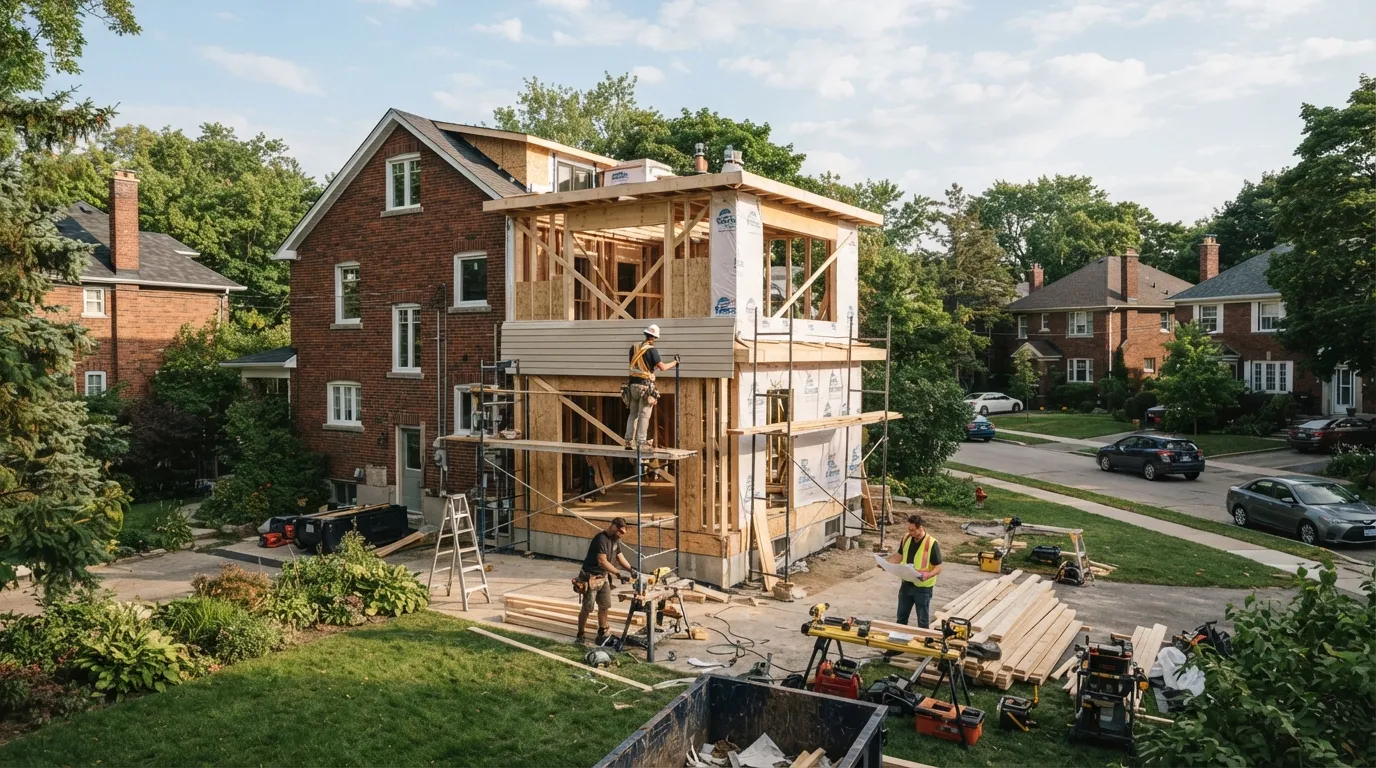
What does it take to add living space in the GTA?
A home addition in the Greater Toronto Area typically requires design and structural planning, municipal permits, a contractor experienced with Ontario codes, and a budget that varies by scope — expect from modest single-room builds to whole second-storey projects with very different costs and timelines.
Types of additions
Additions range from small single-room bump-outs and sunrooms to full main-floor expansions, second-storey additions or attached garages converted into living space. Each type affects foundation, structural framing and mechanical work differently; a bump-out may avoid new footings while a second-storey almost always requires reinforcing existing walls and roof framing.
Permits and approvals in Ontario
Most additions require a building permit from your local municipal office — in Oakville that means submitting drawings, engineering where required, and paying permit fees. Zoning and lot-coverage rules can trigger minor variance or committee of adjustment applications if your design exceeds setbacks, so check with Halton Region/Oakville planning staff early.
Cost components
Budget items include design (architect or designer fees), structural engineering, demolition, foundation work, framing, roofing, insulation, windows/doors, mechanicals (HVAC, plumbing, electrical), interior finishes and exterior cladding. Soft costs — permits, surveys, inspections and contingency (10–20%) — are commonly overlooked but essential.
Step-by-Step: Home Additions in the GTA: Costs, Permits and Possibilities
A straightforward sequence to plan, permit and build an addition in Oakville or another GTA municipality. Each step has local considerations — confirm requirements with the Town of Oakville and Halton Region where applicable.
- 1
1. Define the scope and priorities
Decide what you need (extra bedroom, larger kitchen, basement-to-living conversion) and how long you’ll live in the home. That choice drives whether you spend on high-end finishes or prioritize structural work that adds usable square footage and resale value.
- 2
2. Engage a designer or architect
Hire a designer familiar with Ontario Building Code and Oakville zoning to produce drawings suitable for permit submission. A good designer will identify structural needs, energy-efficiency options and possible permit hurdles up front, saving costly redesigns later.
- 3
3. Obtain required reports and approvals
Order a site survey if needed, structural engineering for new foundations or second-storey work, and energy compliance documentation. Submit permit applications to your municipal building department; timelines vary so expect weeks to months depending on complexity and variance needs.
- 4
4. Tender and choose a licensed contractor
Get detailed quotes from contractors with Ontario HST, WSIB and references — prefer ones who have done similar Oakville projects. Check trade credentials, insurance and ask for a clear schedule, payment milestones and a written warranty.
- 5
5. Construction and inspections
Work proceeds through stages: demolition, foundations/footings, framing, mechanical rough-ins, insulation, finishes and final inspection. Municipal inspectors will visit key stages; do not conceal work before inspection as this can delay occupancy approval.
- 6
6. Final occupancy and closeout
After final inspection you receive a completion sign-off; collect all warranties, manuals and lien releases from trades. Keep permit files and final drawings for future resale or renovation planning.
Mistakes to Avoid
Home additions add value but also risk big mistakes that drive up cost and cause delays. Avoid these common pitfalls by planning conservatively, verifying local rules, and choosing contractors and designers with GTA experience.
Skipping proper permits
Some homeowners try to minimize cost or speed by omitting permits. Unpermitted work can lead to stop-work orders, costly retrofits to meet code, problems when selling, or even required demolition. Always check with Oakville building services and get permits in writing.
Underestimating foundation and structural needs
Adding a second storey or enlarging spans often demands upgraded footings, new shear walls, or engineered beams. Budget for engineering and be wary of low bids that ignore these requirements; shortcuts here affect safety and long-term performance.
Not planning for mechanicals and energy code
Modern Ontario renovations must meet energy-efficiency and mechanical sizing expectations — under-sized HVAC or improper venting leads to comfort problems and failed inspections. Include mechanical design early so ductwork, furnace, and hot water needs are integrated into the plan.
Choosing the cheapest contractor without checks
A low bid may omit things like proper flashing, reputable materials, or licensed subtrades. Vet references, review prior completed additions in Oakville or nearby Burlington and Mississauga, and get clear contract terms including timelines and change-order procedures.
What Affects Your Outcome
Key factors that change cost, timing and approval complexity:
Project scope and footprint
The size and complexity (single-room vs. full second storey) directly affect materials, labour hours and whether new foundations are needed.
Site conditions and lot geometry
Narrow lots, mature trees, sloped grades or poor soil can require additional excavation, retaining walls or arborist involvement, increasing cost and time.
Municipal zoning and variances
Setbacks, lot coverage and heritage rules in Oakville or nearby Mississauga influence whether a proposal needs variance applications, which add time and potential public hearings.
Quality of plans and documentation
Well-detailed architectural and engineering drawings reduce permit revisions and contractor misunderstandings; poor documentation leads to change orders and inspection failures.
Contractor experience and scheduling
Contractors familiar with GTA inspections and local suppliers move faster; inexperienced teams can miss inspections, order wrong materials or schedule trades inefficiently.
Season and climate
Ontario winters increase costs for exterior work (heating enclosures, protecting foundations) and can push timelines; starting in spring often yields faster timelines and lower temporary-heating costs.
Frequently Asked Questions
Do I always need a building permit for an addition in Oakville?
Most additions require a building permit in Oakville and across Ontario because they change structure, occupancy or services. Minor projects with only interior finishes sometimes don't, but you should confirm with Oakville Building Services since rules and thresholds vary.
How much should I budget per square foot for an addition in the GTA?
Costs vary widely by scope, finishes and site conditions; modest single-room additions may start at a lower per-square-foot rate while complex second-storey projects cost significantly more. Use quotes from local Oakville contractors for realistic numbers and include a 10–20% contingency; do not rely on a single benchmark without local estimates.
How long does the permit process take in Oakville?
Permitting timelines depend on plan quality, complexity and whether variances are required; straightforward permits with complete drawings can take a few weeks, while projects needing committee approval or additional studies may take months. Contact Oakville’s permit office early to get current turnaround expectations.
Will an addition raise my property taxes or affect insurance?
Adding livable square footage typically increases assessed value and may raise municipal property taxes; you should expect changes in assessment at the next review cycle. Notify your insurer prior to or once construction begins — policies differ, and some require additional coverage during and after construction. Verify specifics with your insurer.
Can I live in the house during construction?
Many homeowners live on-site for partial additions but expect disruption, noise and periods where systems are offline. Major projects like full second-storey builds or full gut renovations may be safer and more comfortable to vacate for parts of the project; discuss sequencing and temporary living arrangements with your contractor.
How do I pick the right contractor in Oakville or Halton Region?
Ask for references and photos of similar local additions, confirm insurance and WSIB status, and request a written scope, schedule and payment plan. Meet multiple contractors, check recent work in Oakville, Burlington or Mississauga, and prefer trades that can show municipal permit experience and completed inspection records.
Free on-site assessment for Oakville homeowners
Schedule a no-cost visit to review feasibility, likely permits and a realistic ballpark budget for your addition.
Get a Free Quote