
Bathroom Renovation Mistakes That Cost GTA Homeowners
What to watch for during design, permits, insurance, and construction in Oakville and the GTA.
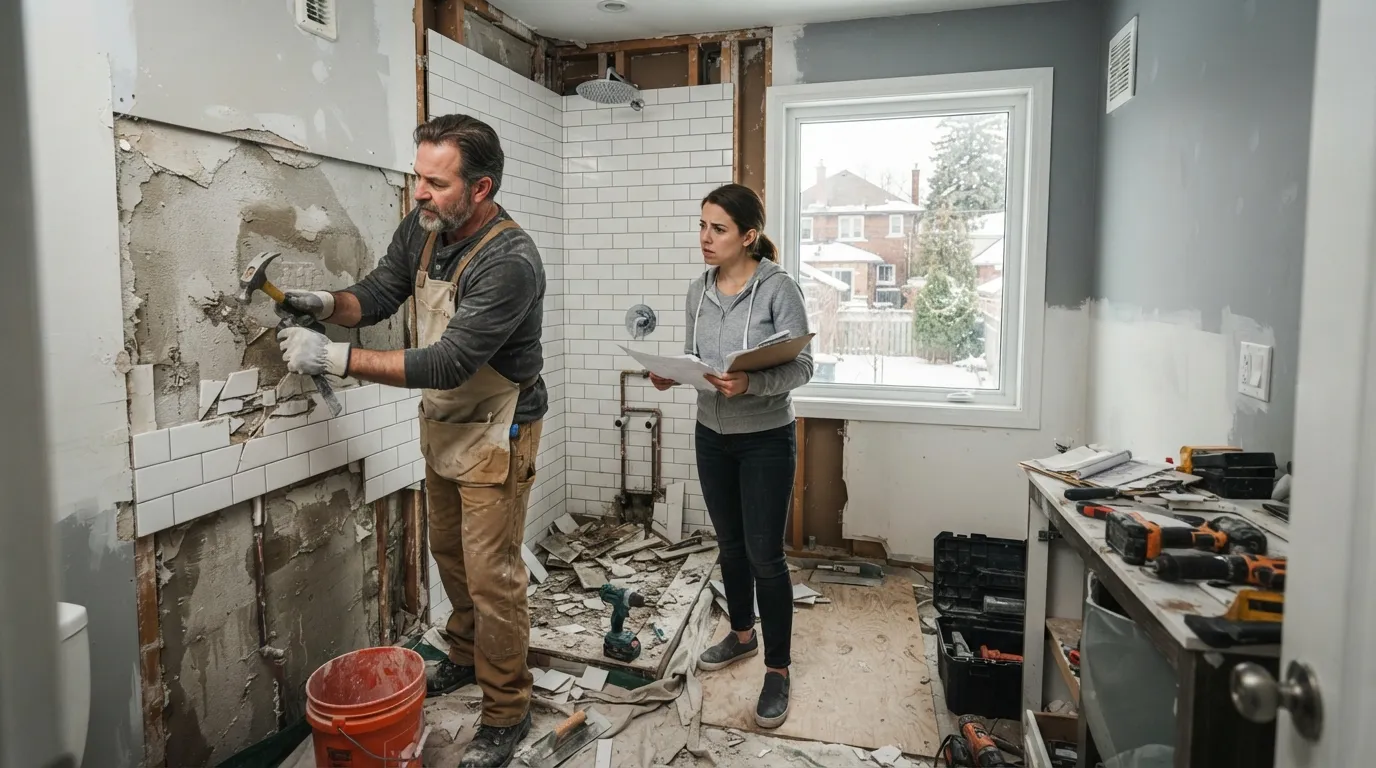
What are the renovation mistakes that most often raise costs and delays?
Skimping on permits, poor waterproofing, unclear scopes with contractors, and failing to document insurance-relevant damage are the common mistakes that drive cost overruns and project delays for GTA bathroom renovations.
Permits and inspections
Many homeowners assume small bathroom changes don’t need a building permit. In Ontario, work that changes plumbing, structural elements, or ventilation commonly requires permits and inspections; skipping them can mean costly remedial work or failed resale inspections. Always check with your local building department — for Oakville that’s the Town of Oakville building services — and get written confirmation about what needs a permit.
Waterproofing and materials
Bathrooms are high-moisture environments; shortchanging waterproofing or using the wrong tile adhesives or grout leads to leaks, mould, and tile failure. Use industry-accepted systems (membranes, proper mortar, weep holes where needed) and insist on materials specified for wet areas. In colder months, Ontario freeze-thaw cycles mean exterior-adjacent bathrooms deserve extra attention to avoid condensation and joint failure.
Scope clarity and change orders
A vague scope invites surprises: mismatched finishes, unexpected structural work, or electrical upgrades. Create a detailed scope with drawings, finishes, and allowances for unknowns; include a clear change-order process that states rates and approvals. This protects both you and the contractor and reduces disputes that add time and cost.
Step-by-Step: Bathroom Renovation Mistakes That Cost GTA Homeowners
Follow these steps to avoid the most expensive missteps during planning and construction. Each step focuses on a specific decision point where problems commonly begin.
- 1
1. Verify scope and needs first
Start with a written list of must-haves, nice-to-haves, and absolute no-goes (e.g., keeping existing window). Include measurements and a simple drawing. This prevents mid-project scope drift and clarifies whether structural or plumbing changes are required.
- 2
2. Check permits and insurance implications
Contact Oakville Building Services (or your local municipal office for nearby Milton or Burlington) to confirm permit requirements and typical inspection timelines. If you have home insurance, notify your broker early if the work follows damage or affects plumbing; policies and claims handling vary, so verify coverage and documentation needs.
- 3
3. Get detailed quotes from qualified trades
Request itemized bids that separate labour, materials, waterproofing systems, electrical, and plumbing. Ask for manufacturer names and model numbers for fixtures and tiles to reduce substitutions. Check trade licensing or memberships where relevant and confirm references for similar Ontario projects.
- 4
4. Define the waterproofing and ventilation plan
Decide on waterproofing methods for wet zones (liquid-applied membrane, sheet membrane, or full backer board systems) and include it in the contract. Ensure mechanical ventilation meets local code expectations and is sized for the room; insufficient ventilation causes long-term mould and finish degradation.
- 5
5. Document existing conditions and changes
Photograph plumbing, framing, and finishes before work begins and keep receipts for removed items. If an insurance claim is possible, detailed documentation speeds processing. Update drawings and sign approvals for any changes to keep the record clear for final inspections.
- 6
6. Schedule final inspections and walkthroughs
Plan inspections around construction milestones and arrange a final walkthrough with your contractor to produce a punch list. Confirm that permits are closed and obtain any final documentation required for your municipality or future resale. If you live in Oakville or nearby Oakville’s Regional context in Halton County, confirm local permit closure processes before listing the home.
Mistakes to Avoid
Some missteps are easy to overlook but expensive to fix later. Below are the most common costly mistakes with concrete pro tips to prevent them during a GTA bathroom renovation.
Skipping a proper subfloor and drain plan
Older homes in Oakville and parts of Halton were built with subfloors that aren’t ready for modern tile or curbless shower systems. Removing an old subfloor or adding a sloped mortar bed can add cost, but installing the correct membrane, slope to drain, and weep system prevents leaks and tile delamination. Ask your contractor to show the subfloor plan and membrane details before installation.
Underestimating electrical upgrades
Adding heated floors, lighted mirrors, or more outlets may trigger panel upgrades or dedicated circuits for GFCI protection. Not accounting for this can halt the job when an electrician discovers inadequate capacity. Get an electrical assessment during planning and include potential panel work in your contingency budget.
Buying cheap fixtures without matching performance
Low-cost fixtures may look fine initially but can have poor valves, thinner finishes, or non-standard rough-ins that complicate installation. Compare rough-in dimensions and valve quality; choose fixtures with replaceable cartridges and good local service support. For Oakville homeowners, buying from reputable Canadian suppliers reduces the chance of long shipping delays or unavailable parts.
Not planning for seasonal scheduling
GTA renovation demand and weather affect timelines: winter can slow exterior deliveries and affect curing times, while spring and fall can be busy with high contractor schedules. Lock in a realistic start window and expect some seasonal impact on material lead times. If your renovation depends on quick completion (e.g., before listing the house), avoid peak contractor seasons or plan earlier.
What Affects Your Outcome
Several practical factors change cost, timeline, and risk.
Permit timelines and municipal rules
Permit requirements and inspection schedules vary across the GTA; Oakville’s building office may have different lead times than Burlington or Mississauga. Longer permit waits can extend temporary living needs.
Quality of documentation
Clear contracts, drawings, and pre-construction photos reduce disputes and speed insurance or warranty claims.
Type of insurance and claims history
If a renovation follows water damage, your insurer will look for timely mitigation and proof of repairs; policies, deductibles, and claim handling vary—always verify specifics with your broker.
Contractor experience and local knowledge
Trades familiar with Oakville homes and Halton County building practices can spot common issues (older clay drain lines, framing quirks) and recommend suitable fixes that save money long-term.
Material lead times and availability
Custom vanities, specialty tiles, or imported fixtures can add weeks or months; choose locally stocked alternatives if schedule certainty matters.
Season and climate
Ontario winters slow adhesives and mortar curing and can impact delivery windows, while summer humidity can affect drying times for paints and finishes.
Frequently Asked Questions
Do I always need a permit for a bathroom remodel in Oakville?
Not every cosmetic change requires a permit, but work involving plumbing moves, structural framing, new ventilation, or significant electrical upgrades usually does. Confirm with Town of Oakville Building Services, and if you’re unsure, request a written determination from the office—rules and interpretations can vary by municipality.
How much should I budget as a contingency for surprises?
A typical contingency is 10–20% of your renovation budget to cover hidden issues like water-damaged framing or outdated wiring. The exact amount depends on the age of the home; older Oakville houses tend to need larger contingencies when walls and floors are opened.
What waterproofing approach is best for wet areas?
There isn’t a single ‘best’ method—accepted options include liquid-applied membranes, sheet membranes, or full-pan systems for showers; selection depends on shower type, subfloor, and installer skill. Insist on systems that comply with manufacturer instructions and local code, and ask for written confirmation of the membrane type in your contract.
How can I avoid costly change orders?
Detail finishes, fixture models, and tolerances in the contract and agree on a formal written change-order process that lists pricing and approval steps. Early site decisions (tile layout, outlet locations) reduce mid-project choices that trigger change orders.
Should I hire a general contractor or hire trades separately?
Hiring a general contractor simplifies coordination and risk allocation; they manage trades, scheduling, and inspections. Hiring trades directly can save overhead but requires you to coordinate timelines, warranties, and permit responsibilities—choose the approach you can realistically manage.
How do I protect against water damage after the renovation?
Use quality fixtures with serviceable valves, ensure proper slope to drains, install adequate ventilation, and maintain grout and caulking annually. Keep records of installations and warranties; if you have a sump pump or main water shutoff, know how to access them quickly.
Free bathroom inspection and written recommendations for Oakville homeowners
We’ll review waterproofing, permit needs, and potential hidden issues to help you avoid costly mistakes — no pressure, just clear next steps.
Get a Free Quote