
Turning Your Basement Into a Legal Suite in Ontario
Learn the essentials to plan, permit, and protect your project for Oakville, Oakville Township and nearby communities—with practical steps and local verification
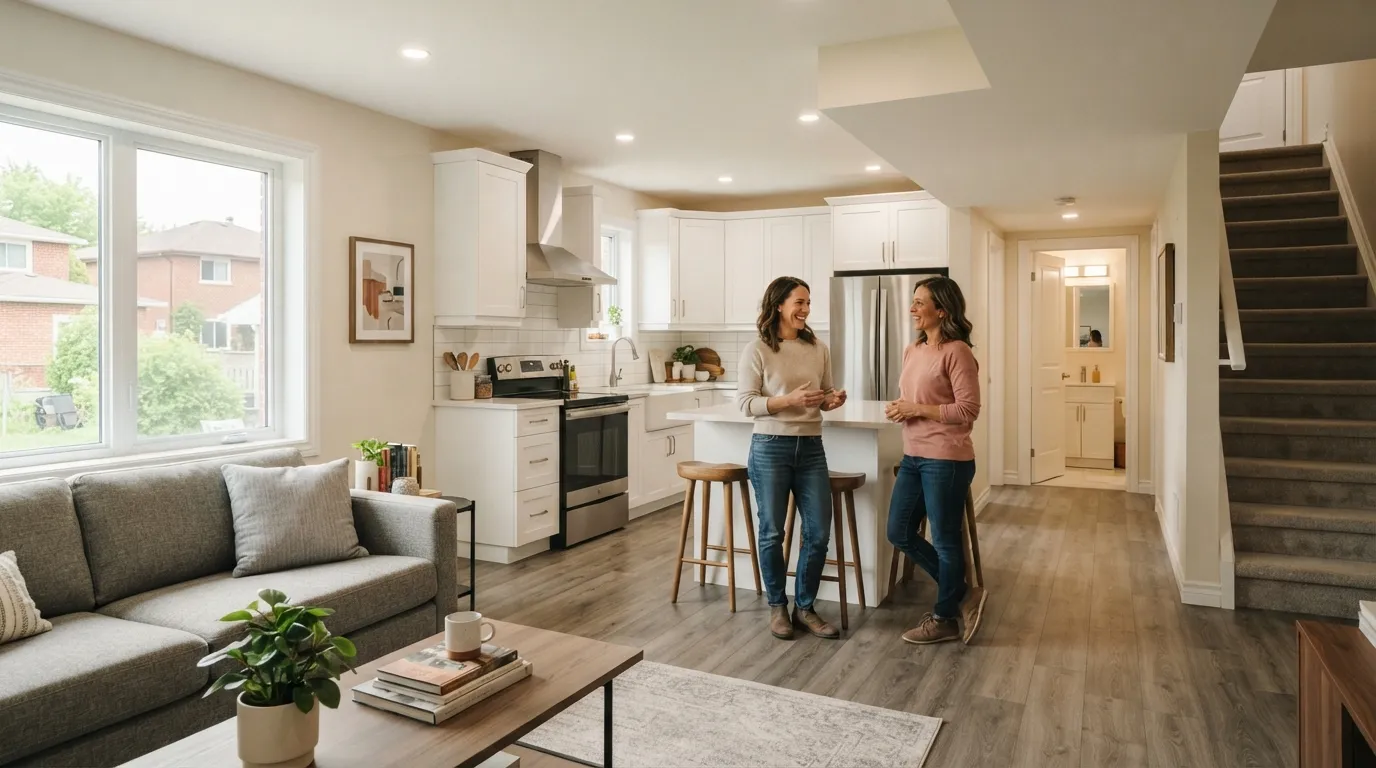
What does it mean to turn a basement into a legal suite in Ontario?
In Ontario, a legal basement suite means a self-contained living space with its own sleeping, cooking, and bathroom facilities that complies with local building codes, zoning rules, and fire-safety standards. The goal is to create a space that’s safe, habitable, and legally recognized by the municipality and insurer. Always verify current requirements with your local building department and your insurer, as policies and ordinances vary by city and county.
Legal definition and scope
A legal suite typically requires a separate entrance, egress window or door, and a complete second kitchen or kitchenette depending on the jurisdiction. Ontario practice emphasizes clear exits, proper ceiling heights, and proper ventilation to meet Ontario Building Code expectations.
Permits and inspections
Most basement suites need building permits and staged inspections. Start early by checking with the Town of Oakville (and nearby Halton region counterparts) to understand permit timelines, required drawings, and any conservation or zoning considerations.
Fire and safety considerations
Fire separation between the main home and the suite, smoke and CO detectors, and rated doors are common requirements. You’ll also see rules around fire-rated assemblies and egress for bedrooms in basements.
Insurance and codes
Insurers often require that the suite meets current code and that the work is performed under proper permits. Expect coverage considerations for separate occupancy, liability, and cost implications for future claims.
Step-by-Step: Turning Your Basement Into a Legal Suite in Ontario
This step-by-step path mirrors typical Ontario practices: identify needs, confirm with local authorities, and move through design, permitting, and build with documentation.
- 1
1) Define the scope and occupancy
Decide how the space will function (bedroom count, kitchenette needs, bathroom layout). Confirm zoning rules and whether the basement qualifies for residential conversion in Oakville or adjoining municipalities.
- 2
2) Engage early with local authorities
Schedule a pre-consultation if available. Gather property survey, existing floor plans, and any site constraints so you can discuss egress, ceiling height, and ventilation with the inspector.
- 3
3) Design with code in mind
Work with a designer or architect to produce drawings showing egress routes, egress windows, stair geometry, sound separation, and fire-rated barriers. Include mechanical and electrical plans that satisfy Ontario Building Code requirements.
- 4
4) Prepare permit-ready drawings
Submit plans to the local building department with all required forms, fees, and energy calculations. Ensure the drawings address fire separation, ceiling height, and occupancy limits.
- 5
5) Obtain permits and schedule inspections
Once issued, coordinate trades and inspections in sequence—structural, electrical, plumbing, fire-rated assemblies, and final occupancy inspection.
- 6
6) Execute the build and document everything
Track changes, keep invoices, and photograph key milestones. If extra work is needed, document it and get amended permits where required.
Mistakes to Avoid
Avoid common missteps that delay approvals or complicate insurance. These practical tips help keep the project on track and within budget.
Skipping pre-consultation
Don’t skip early conversations with the local building department. Early guidance on egress, ceiling heights, and fire separation can save time and avoid costly redesigns.
Underestimating insurance and permits
Expect that insurers look for code-compliant work and permitting history. Lack of permits or nonconforming elements can complicate coverage if a claim arises.
Poor documentation
Inadequate drawings or missing mechanical/Electrical plans slow reviews. Keep organized files: permits, amendments, inspection reports, and contractor certificates.
Ignoring climate and moisture realities
Basement remodeling must address dampness and humidity control. Plan for proper waterproofing, drainage, and a robust ventilation strategy to prevent long-term issues.
What Affects Your Outcome
Several factors influence how smoothly a basement legal-suite project progresses and how insurance and permits respond.
Deadlines and timing
Permit review times and inspection scheduling vary by municipality and season. Plan with buffer months to account for potential delays.
Documentation quality
Clear drawings, energy calculations, and detailed scope reduce rounds of review and miscommunications.
Policy type and insurer expectations
Some insurers are strict about separate occupancy and specific fire-safety features; others may be more flexible depending on your policy and endorsements.
Local rules and zoning
Oakville sits in Halton Region with neighboring towns; each may have unique requirements for basement suites and secondary suites.
Contractor selection
Choosing a contractor with experience in legal-suite projects helps ensure plans align with code and reduces retrofit needs.
Weather and seasonal constraints
Ontario winters can impact concrete work and inspections; scheduling around severe weather helps preserve timelines.
Ready for a no-surprises assessment of your basement suite idea?
We can help you evaluate feasibility, discuss permits, and outline a practical plan tailored to Oakville and nearby communities.
Get a Free Quote